Feeding the Northwest: Why Independent Broadline Distributors Matter in a World of Goliaths
In the foodservice industry, broadline distributors play a crucial role: they supply restaurants, institutional kitchens, retailers, and hospitality businesses with the full range of products needed to operate — from dry goods and produce to proteins, dairy, disposables, and more. While the largest players in the United States boast tens of billions in revenue, the Pacific Northwest has long relied on a mix of big names and locally rooted mid‑size distributors that add resilience and choice to the supply chain.
The Dominant Giants
Across the U.S., a handful of distributors dominate the broadline foodservice market:
- Sysco — consistently ranked as the largest foodservice distributor in the nation, serving hundreds of thousands of customers globally.
- US Foods — another nationwide powerhouse, with a vast network and product breadth.
- Performance Food Group (PFG) — offering customized solutions and broad distribution reach.
These companies leverage massive scale to offer extensive product catalogs and global logistics capabilities. But in doing so, they also raise concerns for smaller foodservice operators that struggle with high minimums, limited flexibility, and a one‑size‑fits‑all approach to service. When revenue reaches billions of dollars, nimble local responsiveness often falls by the wayside.
Rooted in the Northwest: Independent Broadliners
Amid this landscape, regional distributors in the Pacific Northwest are carving out their own vital niche — particularly valuable to independent restaurants, small chains, food carts, and locally owned hospitality businesses.
Unity Foods
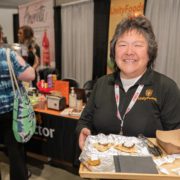
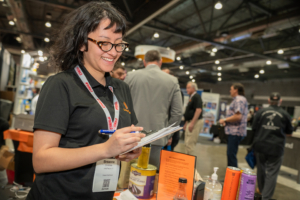
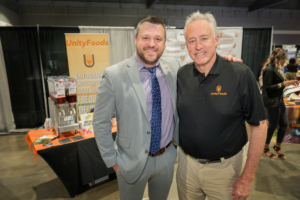
Based in Portland and actively serving Western Washington and Oregon, Unity Foods stands out as a regional broadline foodservice distributor with a distinct mission. Since its founding in 2012, Unity has focused on supporting local kitchens with reliable deliveries, flexible ordering, and a community‑first ethos that’s often absent in larger corporate distribution.
Unity’s model emphasizes:
- No long‑term contracts — helping smaller operators avoid rigid agreements.
- Frequent deliveries — up to six times a week to keep kitchens supplied.
- Sustainability initiatives — including carbon‑neutral goals and efficient logistics.
This combination of full‑line breadth and local focus helps Unity serve customers big and small without the bureaucracy that often accompanies national giants.
Harbor Foodservice
Another major independent in the region, Harbor Foodservice, traces its roots back to 1923. Family‑owned and locally operated, Harbor supplies thousands of customers across Washington, Oregon, and beyond with a broad range of products and brands tailored to local tastes and needs.
Harbor’s century‑long legacy is a testament to how independent distributors can thrive by aligning closely with their communities — building deep relationships with chefs, retail owners, and institutions that demand personalized service.
McDonald Wholesale
Serving Oregon and Southern Washington, McDonald Wholesale is another local broadline distributor focused on promoting locally sourced products alongside national brands. Its emphasis on consultative service and regional partnerships differentiates it from the mass market approach of bigger distributors.
Why Independents Still Matter
In a market where the largest distributors operate at a national or global scale, independent and mid‑size companies fill a critical gap:
- Flexibility: Smaller distributors often tailor programs to the unique needs of individual operators — from restaurants and food carts to breweries and boutique hotels.
- Service: Personalized support and local market expertise can translate into faster problem solving and stronger partnerships.
- Diversity: Independent distributors are often more open to sourcing regional producers and specialty vendors, enriching the local food ecosystem.
- Choice: For chefs and operators, having alternatives to the big three (Sysco, US Foods, PFG) can be vital for cost control and menu innovation.
When a few massive companies wield outsized influence, the risk isn’t just reduced competition — it’s less responsiveness to local markets, fewer opportunities for smaller suppliers, and a one‑size‑fits‑all model that doesn’t fit every kitchen. Independent players like Unity Foods, Harbor, and McDonald help keep the Pacific Northwest foodservice community vibrant and flexible.
In summary, while the broadline distribution field is dominated by giants measured in billions of dollars in revenue, the presence of smaller yet robust distributors — often in the tens of millions in sales — remains essential for regional foodservice operators who prize service, flexibility, and local connection.